
Tree work is dangerous without proper training and equipment. A professional tree company has the knowledge, tools, and insurance to get the work done right - and safely. You’ll save time, reduce risks, and be certain the work is done right.
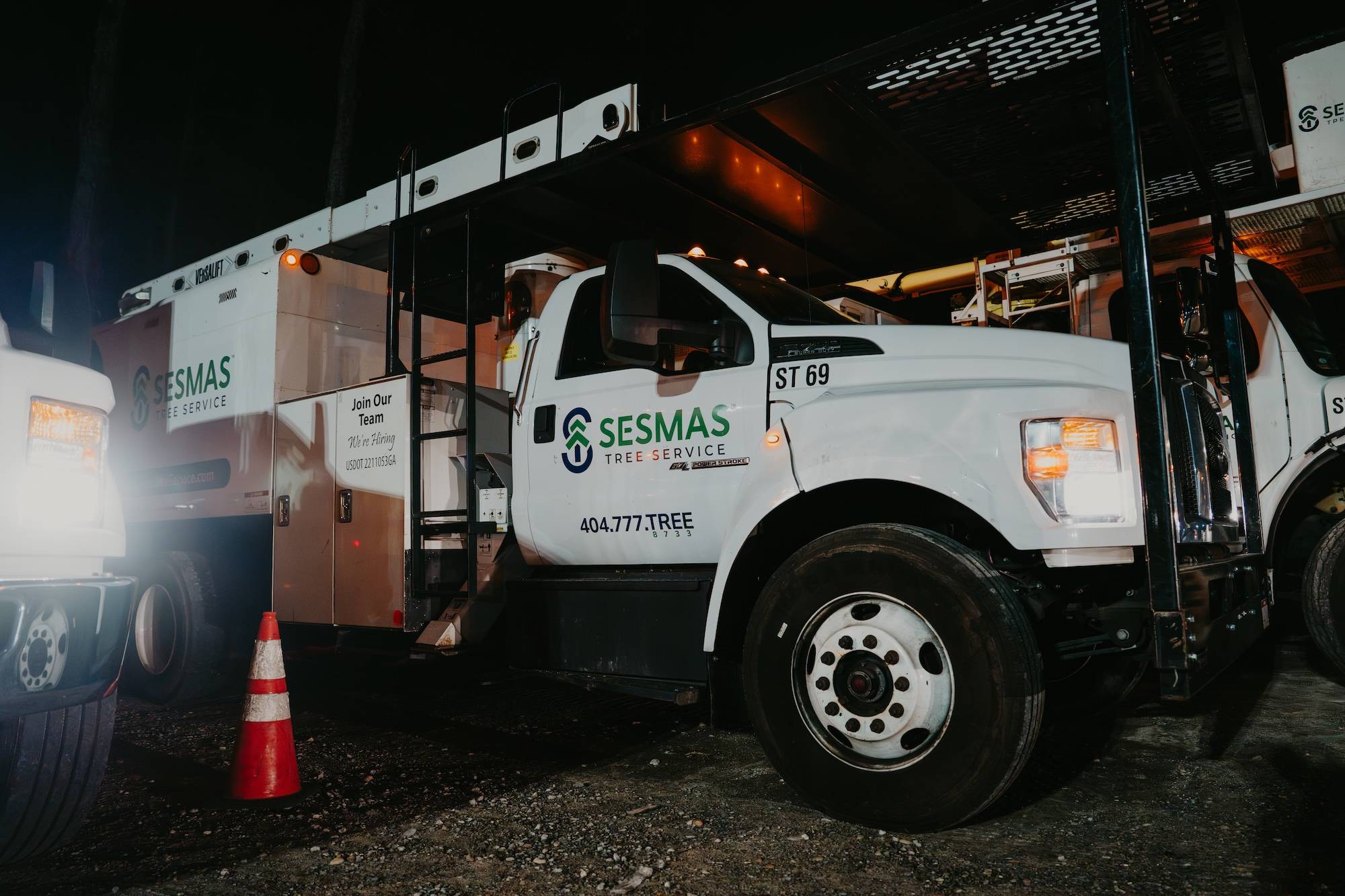
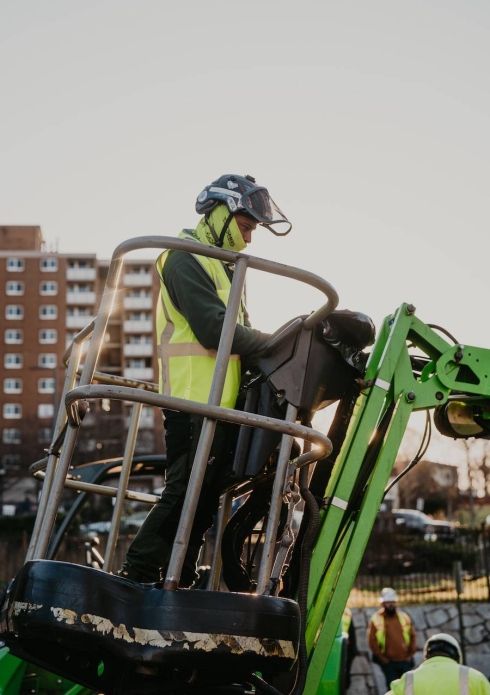
Pineville has a tight mix of residential streets, commercial corridors, and mature trees growing closer to structures than many homeowners realize. Sesmas Tree Service offers professional tree removal service in Pineville, North Carolina. Below, we'll explain what sets tree removal in Pineville apart and what matters most before the work begins.
More precision goes into urban tree removal than rural work. Trees sit within feet of fences, garages, and homes. A 60-foot oak can't fall cleanly when power lines run through the canopy, and there's a shed ten feet from the trunk. Crews map drop zones before cutting anything and identify obstacles blocking standard felling techniques so they can adjust rigging plans accordingly.
Property lines complicate things. Branches extend over neighbor yards, roofs, and driveways. Removing a tree without damaging structures nearby means controlling every piece on the way down. This takes specialized equipment and time. Bucket trucks position climbers above problem sections. Ropes lower branches in segments instead of letting gravity handle it.
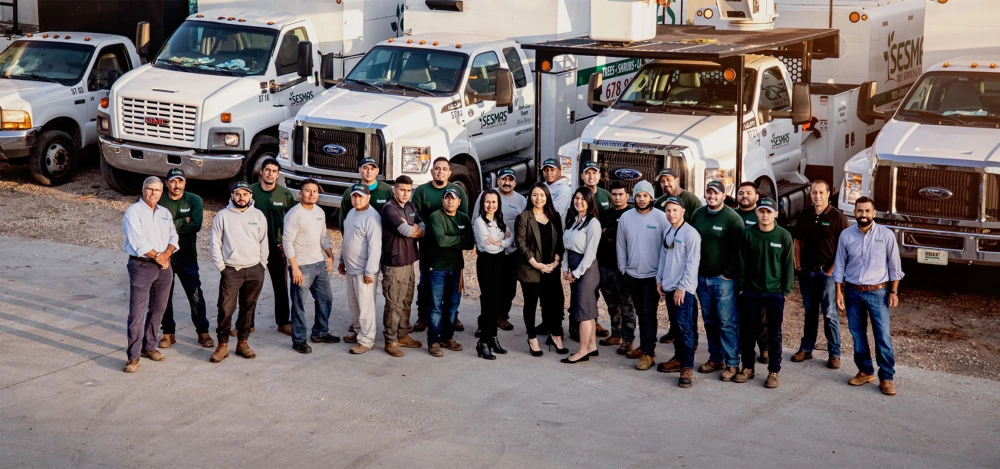
When it comes to caring for your trees, you need a team you can rely on. Sesmas Tree Service is committed to safe work practices, honest pricing, and dependable service from start to finish. Here’s what sets us apart.

Storm damage or unexpected tree issues? We offer fast, reliable emergency tree services when you need them most.

As a local business, we care about our community and treat every property with the respect it deserves.

From trimming and pruning to removal and cleanup, we handle all aspects of tree care with expertise.

No hidden fees or surprises—just fair, transparent pricing for quality tree care services.

Our skilled team has years of hands-on experience handling trees of all sizes safely and efficiently.

Every job is performed with strict safety measures to protect your property, our team, and the surrounding area.
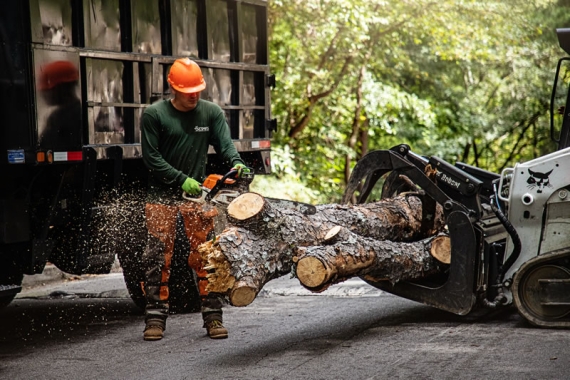
Traffic creates more complications. Pineville streets have steady vehicle flow during business hours. Crews work with local authorities to coordinate lane closures when necessary. They set up signs and cones to redirect cars safely around work zones. Timing is important. Scheduled removals happen when disruption is minimal and visibility is clear.
When an arborist inspects a tree, distances come first. How far does the crown extend? Where do roots break the surface near foundations? They're checking for structural defects that affect how wood splits under stress. Trunk cracks, hollow cavities, and decay pockets all change the removal strategy. The details are what determine if sectional dismantling or whole tree rigging makes more sense.
Parking areas create challenges, too. Asphalt and concrete won't tolerate heavy impacts. If you drop sections onto pavement, you'll crack surfaces and damage vehicles. That's why crews use cranes or lowering systems to place wood down carefully. They protect the ground with mats whenever equipment has to cross driveways. Distributing the load prevents rutting and surface compression.
The closer a building is, the more complex the rigging becomes. Trees leaning toward structures need tension systems that pull pieces away from the lean. Anchors get attached to stable trees or ground-based equipment. Pulleys redirect the force, so gravity is working with the plan and not against it. Each cut follows a sequence designed to keep branches away from rooflines and windows. Corner properties take extra care because trees may threaten structures on two adjacent lots. The assessment accounts for wind direction, branch weight distribution, and any previous tree trimming that threw off the tree's natural balance.
Narrow driveways and gated backyards restrict what machinery fits on site. A standard bucket truck needs 12 feet of clearance and firm ground to stabilize outriggers. When access doesn't allow that, climbers scale trees manually with ropes and harnesses. They cut from the top down, lowering sections by hand. This method works but takes longer than mechanized approaches.
Smaller equipment handles tight spots better. Compact tracked lifts navigate side yards and squeeze through gates. Mini cranes can reach over fences without needing an entry point wide enough for full-size rigs. They prevent property damage and get the job done in tight spaces. The right tool really comes down to site constraints and tree size.
Stump removal faces similar limits. Large grinders need room to maneuver and access to the stump from multiple angles. Tight sites may call for handheld grinders followed by manual extraction. This leaves the area ready for replanting or construction, and grinding wraps up in hours if there's enough access. Some properties have underground utilities that limit how deep the grinding can go. Crews mark utility lines before they start to avoid service disruptions.
Ground conditions play into equipment selection, too. Saturated soil from recent rain won't hold up under heavy machinery without causing ruts. Crews either wait for drier conditions or lay broader mats to spread the weight out. Slopes create instability that calls for anchoring systems on both climbers and equipment. A tree company in Pineville evaluates all of this during the initial site visit, so there aren't last-minute equipment problems.
Most municipalities require permits for public right-of-way work. Even when trees grow on private property, streets are shared space. Crews verify permit requirements before scheduling any job that affects traffic flow or pedestrian access. Skipping this step holds up projects and leads to fines. Some permits take days to process, so planning ahead keeps the schedule on track.
Protecting sidewalks matters because concrete repairs cost more than just preventing the damage in the first place. Mats spread the equipment weight across a larger surface area, which reduces the point pressure that cracks panels. Branches get lowered onto tarps instead of bare concrete, so there's no chipping or scratching. Crews sweep debris as they go to make sure pedestrians don't trip on wood chips or twigs.
Overhead wires complicate street-side removals. Power companies clear trees that threaten energized lines, but property owners handle trees near secondary service drops. An arborist coordinates with utilities to temporarily de-energize lines when tree limbs have grown through the wiring. That keeps workers safe and prevents outages. Emergency tree removal in Pineville sometimes means getting utility crews involved right away when storms drop limbs onto conductors.
Parking restrictions during a removal protect equipment and passing vehicles. Cones go out hours before work starts to mark no-parking zones. Signs let residents know about the temporary restrictions. Crews position their trucks to keep lane closures to a minimum while still maintaining safe work zones. Talking with neighbors ahead of time prevents conflicts and keeps everyone in the loop on how long the project will take.
There's more to debris removal than hauling off logs. Tree cutting sends wood chips across driveways, lawns, and flowerbeds. Crews blow or rake those chips into piles and collect them. They bag the smaller stuff or load it straight into trucks. Grindings from the stump create mulch mounds that get spread out or removed based on what the client prefers.
A tree company in Pineville goes over the whole property after cleanup to check for missed branches. They'll rake disturbed spots smooth and reset any edging or pavers that shifted. Nobody should be able to tell a crew was there beyond the missing tree. Professional tree cutting treats this level of detail as standard practice and never as an optional add-on.
Cleanup reaches the less obvious spots, too. Sawdust settles on windows, siding, and outdoor furniture during a job. Crews will hose down surfaces if needed or wipe what they can reach. They check gutters for debris that may have landed during overhead work. When cleanup is thorough, clients can use their outdoor spaces the moment crews pull out.
Contact Sesmas Tree Service for a full assessment of your property. We can help take care of permits, equipment logistics, and complete cleanup. We bring the right equipment for your specific site and give every job the same level of care, whether it's routine tree pruning and tree trimming or a complicated removal in a tough spot.
info@sesmastreeservice.com
Tree work is dangerous without proper training and equipment. A professional tree company has the knowledge, tools, and insurance to get the work done right - and safely. You’ll save time, reduce risks, and be certain the work is done right.
Stay updated with the latest tips, trends, and insights from Sesmas. Explore expert advice on tree care, safety, and maintenance to keep your landscape healthy and beautiful year-round.
View All
As a homeowner, dealing with pest infestations can be stressful and expensive. This is particularly true if you are looking to…
Read More
When it comes to enhancing property value, many people often focus on flooring, bathrooms, kitchens, and interior floors. However, many do…
Read More
Trees are essential to our landscapes and the environment. These magnificent entities provide us with clean air, shade, a habitat for…
Read More
As a homeowner, dealing with a fallen or cut branches in your backyard can be frustrating and stressful, particularly if you…
Read More