
Tree work is dangerous without proper training and equipment. A professional tree company has the knowledge, tools, and insurance to get the work done right - and safely. You’ll save time, reduce risks, and be certain the work is done right.
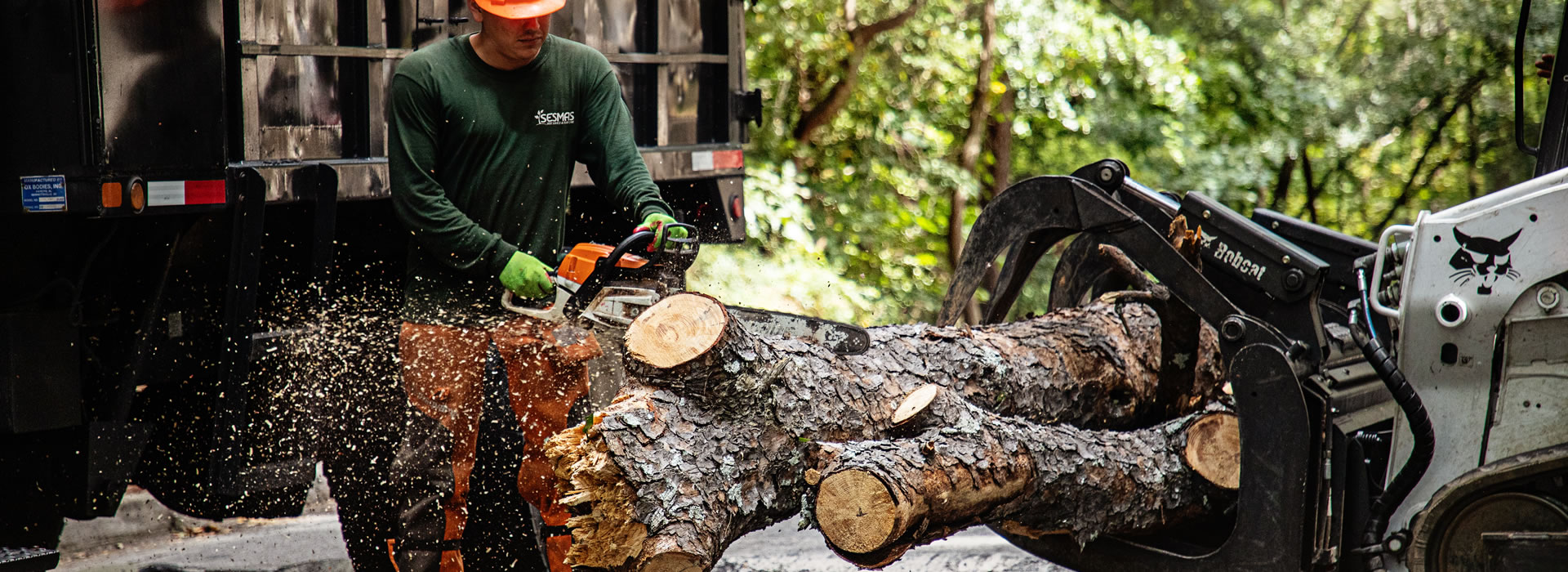
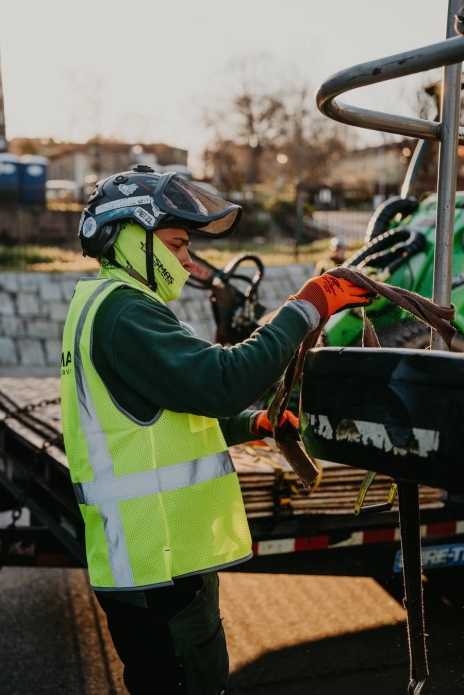
Monroe properties host a variety of tree species, and each one comes with different challenges when it's time to remove it. Oak behaves differently from pine, and Apple splits differently from cedar. At Sesmas Tree Service, we provide tree removal services in Monroe, North Carolina, and nearby neighborhoods. Read more if you want to find out how wood density, growth patterns, and species-specific traits affect removal methods.
Wood isn't just wood. A chainsaw cuts through soft pine in seconds but bogs down in dense oak. That difference affects everything from blade choice to how long a job takes. Oak logs weigh more than pine logs do at the same size, which changes rigging loads and how many truck trips we need for hauling.
Growth patterns create different removal scenarios. Pines grow straight with branches clustered near the top. Oaks spread wide with thick horizontal limbs starting low on the trunk. We adjust our approach based on how the tree is built. A tree company in Monroe should recognize species before planning cuts because branch structure determines where we can safely position climbers and equipment.
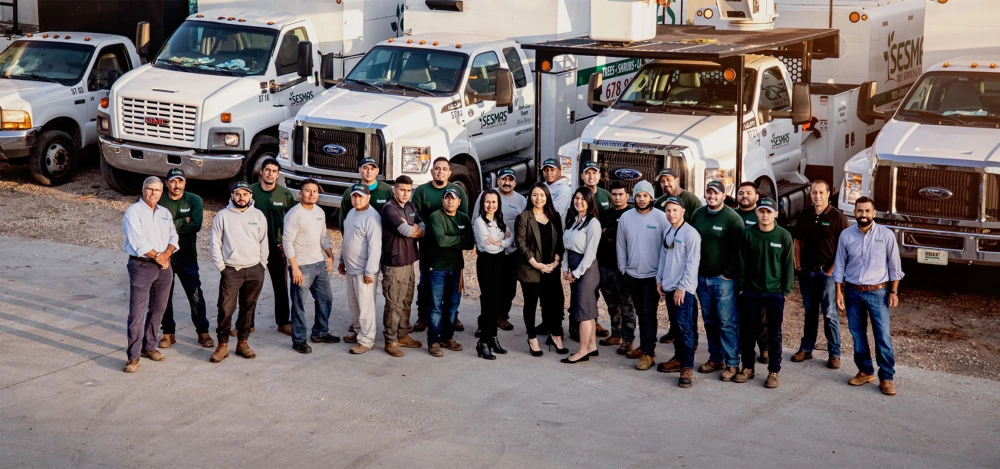
When it comes to caring for your trees, you need a team you can rely on. Sesmas Tree Service is committed to safe work practices, honest pricing, and dependable service from start to finish. Here’s what sets us apart.

Storm damage or unexpected tree issues? We offer fast, reliable emergency tree services when you need them most.

As a local business, we care about our community and treat every property with the respect it deserves.

From trimming and pruning to removal and cleanup, we handle all aspects of tree care with expertise.

No hidden fees or surprises—just fair, transparent pricing for quality tree care services.

Our skilled team has years of hands-on experience handling trees of all sizes safely and efficiently.

Every job is performed with strict safety measures to protect your property, our team, and the surrounding area.
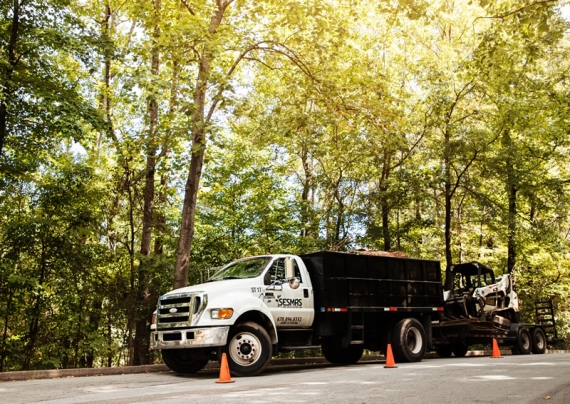
Decay happens differently depending on the species. Some trees rot from the inside out while the bark looks fine. Others show obvious signs of trouble. We inspect for species-specific weak points before starting an emergency tree removal in Monroe. Missing the signs leads to dangerous surprises mid-job.
Oak dominates Monroe landscapes. It's beautiful, long-lived, and incredibly heavy. A mature oak limb can weigh over a thousand pounds and requires serious rigging. We use thick ropes, multiple anchor points, and friction devices to control descent speed. Dropping an oak branch isn't an option near structures or fences.
The wood dulls saw chains fast. We sharpen blades more often on oak jobs than any other species. Dense grain also means slower cutting. What takes two cuts in a maple might take four in an oak of the same diameter. We factor that time into estimates because rushing through dense hardwood risks equipment damage and operator fatigue.
Root systems run wide and deep. Removing an oak sometimes means dealing with surface roots that spread 50 feet or more from the trunk. We cut roots in sections and grind them separately if they're interfering with landscaping or hardscape. The stump grinds slower than softer woods as well. Oak stump removal adds time but prevents regrowth better than leaving it in place.
Pines grow tall and relatively narrow. Height creates specific challenges during tree cutting. A 60-foot pine might only be 18 inches in diameter at the base. That ratio means careful climbing and precise rigging. There's less margin for error when working at extreme heights on a narrow trunk.
Branch structure makes pines easier to section than hardwoods in some ways. The branches grow in whorls around the trunk at regular intervals. We cut between whorls and remove 10-foot sections at a time. Each piece drops into a smaller landing zone than a spreading oak branch would need. Control matters even more in tighter spaces.
Pine attracts specific pests. Bark beetles target stressed or dying pines. If one pine on your property shows beetle damage, nearby pines become vulnerable. We recommend removing infested trees quickly to prevent the spread. Dead pines lose structural integrity faster than most species. Beetle galleries weaken the wood from inside and make climbing dangerous. Emergency tree removal in Monroe frequently involves beetle-killed pines that become hazards within months of infestation.
Where oak branches spread at gentle slopes, maple branches can shoot up at 45 degrees or steeper. The acute angles create weak points. The wood splits along the angle under stress. We identify weak areas before rigging heavy sections because a split during removal sends wood in unpredictable directions.
Fruit trees like apple, cherry, or pear rarely grow large enough to need cranes, but they have their own issues. Fruit wood is dense and twisted. Old fruit trees develop irregular growth patterns with multiple trunks and crossing branches. The complexity slows removal because we can't predict how the weight is distributed. Each cut requires individual assessment.
Decay happens fast in fruit trees as well. A healthy-looking apple tree might be hollow at the base. We probe trunks with metal rods before climbing because fruit tree rot can stay hidden until you apply pressure. Removing a decayed fruit tree requires extreme caution. We section them into small pieces and lower everything on ropes. A tree service in Monroe should never free-fall sections of questionable fruit trees.
Species tells us what to look for. Oaks develop root rot that shows up as mushrooms near the base. Pines lean when root systems fail on one side. Maples drop branches without warning when weak sections finally give way. Knowing species-specific failure patterns helps us identify problems early.
We offer tree pruning and tree trimming services that extend tree life and reduce risk. Removing dead branches before they fall prevents damage and keeps the tree healthier. Strategic pruning redirects growth away from structures and power lines. An arborist can determine which trees need maintenance and which ones have reached the end of their safe life.
Sparse canopy, discolored foliage, or early leaf drop all indicate stress. Disease spreads differently by species. Dutch elm disease kills elms fast. Oak wilt moves through oaks within weeks. We coordinate with property owners on timing when disease is involved. Sometimes removing one infected tree saves several healthy ones nearby.
Each species handles storm damage differently. Pines with shallow roots tip in high winds. Oaks shed major limbs but tend to stay rooted. Maples are prone to splitting during ice storms. Following severe weather, we prioritize emergency tree removal in Monroe by looking at the species and the kind of damage that occurred. Knowing how local species behave is what guides our response priorities.
Our equipment choices depend on what we're cutting. Oak jobs require heavy-duty saws with aggressive chains, but pine removal uses standard chains that we replace more often because sap gums them up. We carry multiple chain types and swap them based on species.
Rigging hardware gets selected by weight. Oak rigging uses thicker ropes and larger pulleys than pine work. The forces involved in lowering a 1,200-pound oak section differ dramatically from those involved in lowering a 400-pound pine section of similar length. We calculate loads for each major piece before it's cut.
Stump grinders need sharp teeth for any species, but hardwoods dull them faster. We check grinder teeth between jobs and replace them as needed. A dull grinder overheats and works more slowly. Fresh teeth cut through oak stumps efficiently and reduce fuel consumption. That equipment maintenance protects your property from extended noise and exhaust while we work.
Choosing a tree company in Monroe means finding a crew that knows local species and adapts methods accordingly. At Sesmas Tree Service, we match our approach to what we're cutting and plan removal work that accounts for wood type, growth pattern, and species-specific hazards. If you need tree removal in Monroe, contact us today to schedule an appointment for your next tree cutting or tree pruning service.
info@sesmastreeservice.com
Tree work is dangerous without proper training and equipment. A professional tree company has the knowledge, tools, and insurance to get the work done right - and safely. You’ll save time, reduce risks, and be certain the work is done right.
Stay updated with the latest tips, trends, and insights from Sesmas. Explore expert advice on tree care, safety, and maintenance to keep your landscape healthy and beautiful year-round.
View All
As a homeowner, dealing with pest infestations can be stressful and expensive. This is particularly true if you are looking to…
Read More
When it comes to enhancing property value, many people often focus on flooring, bathrooms, kitchens, and interior floors. However, many do…
Read More
Trees are essential to our landscapes and the environment. These magnificent entities provide us with clean air, shade, a habitat for…
Read More
As a homeowner, dealing with a fallen or cut branches in your backyard can be frustrating and stressful, particularly if you…
Read More