Tree work is dangerous without proper training and equipment. A professional tree company has the knowledge, tools, and insurance to get the work done right - and safely. You’ll save time, reduce risks, and be certain the work is done right.
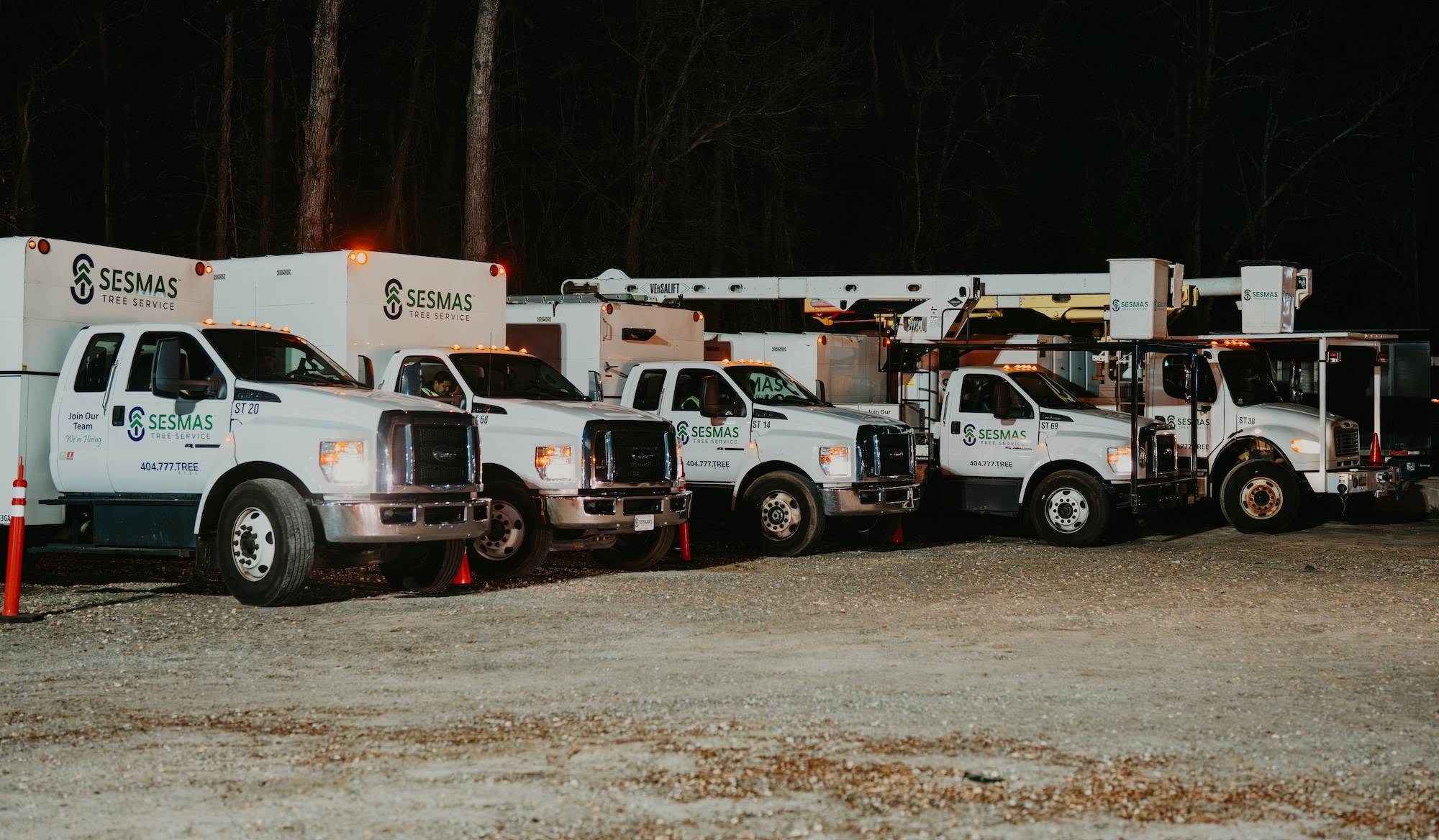
Trees on Mint Hill properties are at all different life stages, and figuring out when one needs removal versus when it can be saved isn't something you should guess at. Sesmas Tree Service provides tree removal service in Mint Hill for homeowners looking for honest assessments and clear answers. Read more to learn what signs point to a dying tree, when treatment can still work, and how professionals go about evaluating tree health.
Cracks in the trunk signal serious problems. Vertical splits usually mean the tree is tearing itself apart under its own weight. Horizontal cracks indicate internal decay that has weakened load-bearing wood. Either type compromises stability. A tree company in Mint Hill should inspect cracks closely because some extend deeper than they appear from ground level.
Leaning trees aren't always emergencies, but a sudden lean is. Trees grow at angles naturally and compensate with root development on the tension side. A tree that has always leaned 15 degrees probably isn't failing. A tree that stood straight last month and leans today has lost root anchorage. That situation requires emergency tree removal in Mint Hill before wind or rain finishes the job.
Cavities and hollow sections reduce structural strength. A hollow trunk can still support a tree if enough solid wood remains around the perimeter. An arborist measures wall thickness to calculate remaining strength. Small cavities in otherwise healthy trees don't always justify removal. Large cavities that extend through more than half the trunk diameter do. Woodpecker holes, carpenter ant galleries, and decay pockets all create entry points for water and rot. We inspect these areas to determine if the damage is progressing or stable.
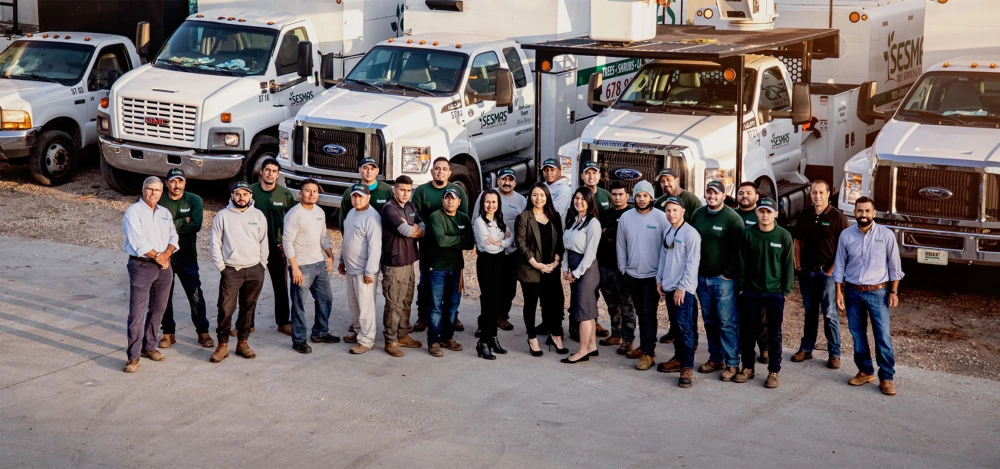
When it comes to caring for your trees, you need a team you can rely on. Sesmas Tree Service is committed to safe work practices, honest pricing, and dependable service from start to finish. Here’s what sets us apart.

Storm damage or unexpected tree issues? We offer fast, reliable emergency tree services when you need them most.

As a local business, we care about our community and treat every property with the respect it deserves.

From trimming and pruning to removal and cleanup, we handle all aspects of tree care with expertise.

No hidden fees or surprises—just fair, transparent pricing for quality tree care services.

Our skilled team has years of hands-on experience handling trees of all sizes safely and efficiently.

Every job is performed with strict safety measures to protect your property, our team, and the surrounding area.
Dead branches throughout the canopy indicate systemic decline. One or two dead limbs might result from storm damage or localized disease. When more than 25 percent of the canopy shows dead wood, the tree is struggling. If branches die from the tips backward, it could mean there are root problems or vascular disease. These conditions rarely reverse. Tree removal becomes the safer choice.
Root decay happens underground, where most property owners never see it. Mushrooms growing at the tree base are fruiting bodies of fungi that digest wood. Different fungi attack different parts of the tree. Identifying mushroom species helps determine urgency. An arborist can recognize which fungi indicate immediate structural risk and which represent slower decline.
Soil compaction kills roots slowly. Heavy foot traffic, vehicle parking, or construction equipment crushes soil and eliminates the air pockets that roots need. Compacted soil also prevents water infiltration. Roots suffocate and die back even though the tree appears healthy above ground. Symptoms show up years after the damage occurs. By the time the canopy thins, root loss is already severe.
Grade changes bury or expose roots unnaturally. Adding soil over roots suffocates them. Lowering the grade exposes roots to temperature extremes and physical damage. Either situation stresses the tree and often leads to decline that shows up in the canopy within a few growing seasons. Tree removal in Mint Hill sometimes becomes necessary after landscaping projects that alter soil levels near mature trees.
Diseases spread through vascular tissue and can kill trees faster than pests do. Oak wilt moves through a tree in weeks during the active growing season. Infected trees show brown leaves that cling to branches instead of falling. The disease spreads through root grafts to nearby oaks. Removing infected trees quickly protects healthy ones. Timing matters because fungal spores spread during warm months when beetles carry them between trees.
Dutch elm disease killed millions of elms across the country. It still appears in landscapes where elms were replanted. Wilting leaves on one branch rapidly spread to the entire canopy. Once an elm shows symptoms, removal is urgent. The beetles that spread the disease breed in dead elm wood. Leaving dead elms standing creates breeding habitat that endangers other elms in the area.
Pest infestations vary in severity. Bark beetles attack stressed conifers and tunnel under the bark to lay eggs. Their galleries cut off water transport. A heavily infested tree shows reddish-brown needles and small exit holes in the bark. Beetles spread to nearby trees once they emerge. Emergency tree removal in Mint Hill prevents beetle populations from building up and threatening an entire property.
Boring insects can signal underlying stress. Healthy vigorous trees resist most borers through sap pressure and chemical defenses. A tree under drought stress, root damage, or disease becomes vulnerable. Treating the pest without taking care of the original problem won't save the tree. A tree service in Mint Hill will help explain if pest treatment makes sense or if the tree's condition means removal is inevitable.
Tree pruning removes dead, diseased, or damaged branches to improve tree health and safety. Strategic pruning redirects growth away from structures and power lines. It reduces weight on weak limbs and opens the canopy for better air circulation. Pruning works best on trees with good structural integrity and minor problems.
Removing deadwood prevents future hazards. Dead branches become brittle and fall unpredictably during storms. We remove them before they cause damage. This type of pruning extends tree life by eliminating entry points for decay and pests. A tree with 10 to 15 percent deadwood benefits from pruning. A tree with 50 percent deadwood needs removal consideration because the underlying health issues are too advanced.
Crown reduction lowers tree height by cutting back to lateral branches. This technique reduces wind resistance and the weight load on the trunk. It works for trees that have outgrown their space but remain healthy. Poor crown reduction causes rapid, weak regrowth and increases decay risk. Proper reduction cuts to side branches that can assume the terminal role. An arborist knows the difference and prunes to maintain tree structure.
Structural pruning corrects growth defects in younger trees. Removing competing leaders, correcting narrow crotch angles, and balancing the canopy prevent problems later. This type of tree pruning pays off over decades by creating strong branch architecture. It doesn't save a mature tree that's already failing, but it prevents younger trees from developing structural weaknesses that lead to removal. When immediate risk exists, tree cutting becomes the responsible choice regardless of a property owner's preference to save the tree.
Tree trimming maintains clearance around structures, driveways, and utilities. It's different from health pruning because the goal is space management rather than tree improvement. Trimming works well for healthy trees that need boundaries.
Treatment costs money and takes time to show results. Fertilization, pest control, and disease management require multiple applications over months or years. Success isn't guaranteed because treatment can't reverse advanced decay or restore dead roots.
Removal provides immediate risk reduction. Once a hazardous tree comes down, the danger ends. There's no ongoing monitoring or treatment needed. The space becomes available for replanting, construction, or open lawn. Removal makes sense when treatment has a low success probability or when the tree threatens high-value targets.
Risk assessment considers tree condition plus target exposure. A declining tree in an open field poses a different risk than the same tree over a patio or driveway. We evaluate what's at risk if the tree fails. High-value targets like homes, vehicles, and play areas justify removal at earlier stages of decline. A tree company in Mint Hill should help you understand risk tolerance and make informed decisions rather than pushing for the removal of trees that might stand safely for years.
Sesmas Tree Service evaluates each tree individually and explains whether removal, treatment, or monitoring makes the most sense for your situation and budget. If you need a tree removal in Mint Hill, tree trimming, or tree pruning, contact us to schedule an appointment for your next tree service in Mint Hill or another local community.
info@sesmastreeservice.com
Tree work is dangerous without proper training and equipment. A professional tree company has the knowledge, tools, and insurance to get the work done right - and safely. You’ll save time, reduce risks, and be certain the work is done right.
Stay updated with the latest tips, trends, and insights from Sesmas. Explore expert advice on tree care, safety, and maintenance to keep your landscape healthy and beautiful year-round.
View All
As a homeowner, dealing with pest infestations can be stressful and expensive. This is particularly true if you are looking to…
Read More
When it comes to enhancing property value, many people often focus on flooring, bathrooms, kitchens, and interior floors. However, many do…
Read More
Trees are essential to our landscapes and the environment. These magnificent entities provide us with clean air, shade, a habitat for…
Read More
As a homeowner, dealing with a fallen or cut branches in your backyard can be frustrating and stressful, particularly if you…
Read More