
Tree work is dangerous without proper training and equipment. A professional tree company has the knowledge, tools, and insurance to get the work done right - and safely. You’ll save time, reduce risks, and be certain the work is done right.
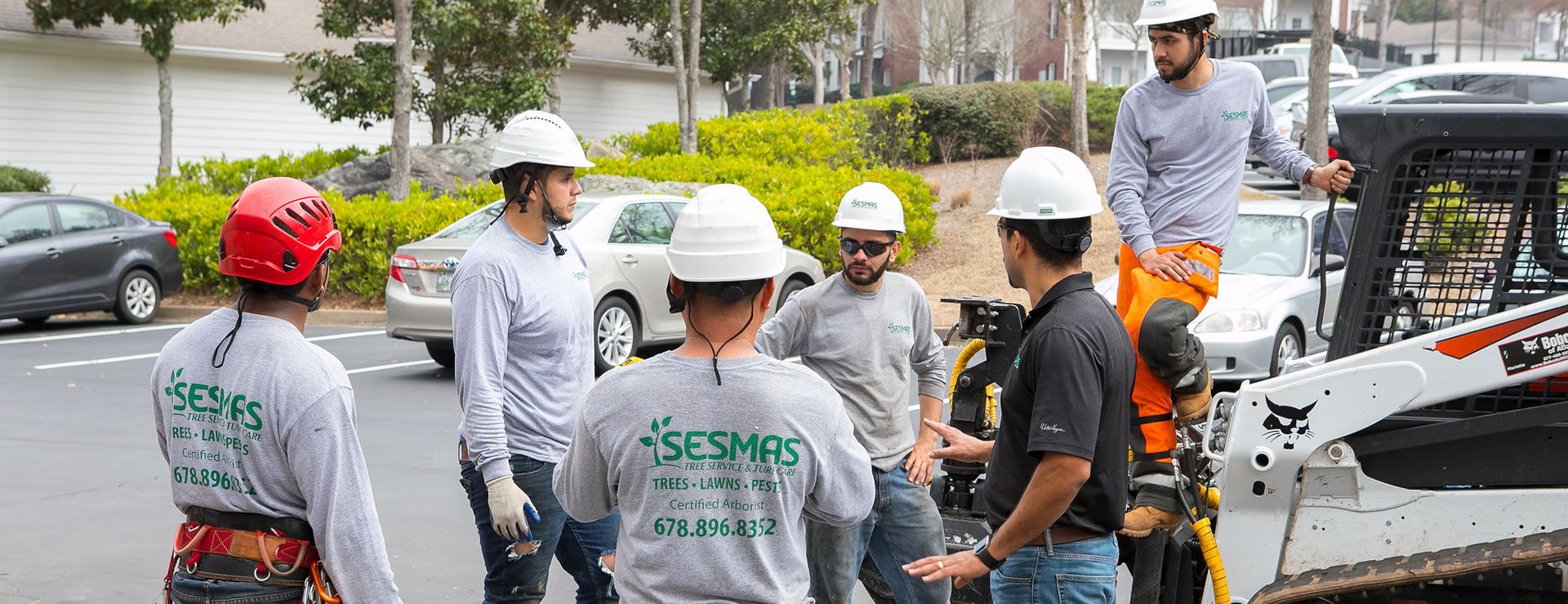
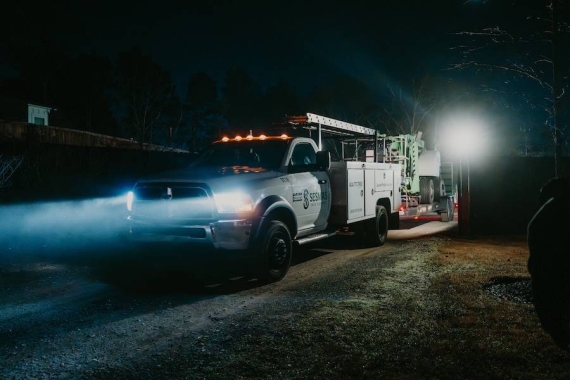
Harrisburg includes both newer developments and older wooded parcels, and that mix has an impact on how trees grow and behave on residential properties. Sesmas Tree Service offers tree removal services in Harrisburg with careful planning based on land layout, tree condition, and access points. Read more to find out what homeowners should know before scheduling removal and how proper planning protects structures and land.
Harrisburg sits at the meeting point of agricultural land, mature residential blocks, and recent subdivisions. Some lots still hold oak and maple that predate development by decades. Others contain saplings planted during construction five or ten years ago. The difference matters because older trees develop deep root systems that can lift driveways or crack foundations, while younger trees in newer construction zones may have shallow roots that destabilize during storms.
Properties in older sections of Harrisburg include large canopy trees planted before zoning codes dealt with setbacks or utility lines. Removal here requires working around power drops, older fencing, and structures built close to trunks. Professional tree service in Harrisburg accounts for these complications during planning and pricing. Newer neighborhoods have smaller ornamental species planted too close together or in spots that looked fine at installation, but now crowd HVAC units or block natural light.
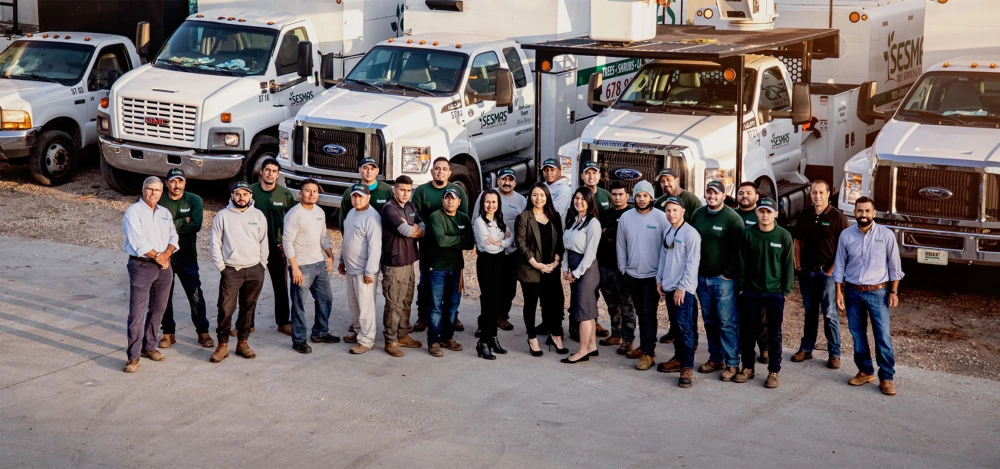
When it comes to caring for your trees, you need a team you can rely on. Sesmas Tree Service is committed to safe work practices, honest pricing, and dependable service from start to finish. Here’s what sets us apart.

Storm damage or unexpected tree issues? We offer fast, reliable emergency tree services when you need them most.

As a local business, we care about our community and treat every property with the respect it deserves.

From trimming and pruning to removal and cleanup, we handle all aspects of tree care with expertise.

No hidden fees or surprises—just fair, transparent pricing for quality tree care services.

Our skilled team has years of hands-on experience handling trees of all sizes safely and efficiently.

Every job is performed with strict safety measures to protect your property, our team, and the surrounding area.
We take a close look at each property based on when it was developed and what was there before houses were built. Former farmland supports different growth patterns than wooded lots that were selectively cleared. The history tells an arborist whether roots will run shallow or deep, if soil compaction limits stability, and whether we'll encounter old fencing or buried stone walls when stump grinding.
Trees planted in fill dirt over clay or rock don't grow the same way as trees in native topsoil. Harrisburg's got both, and you can see it in how the roots spread and how well the trunk holds up when the wind picks up. Fill dirt packs down and starves the roots of oxygen, so they grow along the surface and the tree tips easier. Clay hangs onto water but won't let roots push through, which means trees end up with wide shallow systems instead of going deep.
Subdivisions built on former farmland sometimes have trees planted directly into compacted subsoil after topsoil was scraped during grading. Those trees struggle to establish strong root systems and become hazards within fifteen to twenty years. We see this in neighborhoods developed in the early 2000s, where maples and birches are now leaning or showing crown dieback.
When wooded lots get selectively cleared, the soil structure holds up better, but the trees left standing lose their wind protection once nearby trees come down during construction. A tree that's been shielded by neighbors for thirty years suddenly gets hit with full wind exposure and might crack or start leaning. Spotting these stress points during inspection tells us if a tree needs to come out now or if it'll become a problem within two to three years.
Trees planted within fifteen feet of a foundation create multiple risks. Roots infiltrate sewer lines, crack basement walls, and lift concrete slabs. Canopy branches scrape siding during storms, drop debris into gutters, and provide access points for rodents. We check the distance between trunk and foundation, note any visible root damage to hardscaping, and inspect for signs that the tree is actively growing toward the structure.
Additions and garages built after the original home was constructed sometimes end up too close to existing trees. Builders may have cut roots during excavation, which destabilizes it. Years later, the damaged tree leans toward the new structure or drops limbs during storms. We look for root scarring, trunk lean, and crown imbalance when evaluating trees near newer construction.
Branches that hang over create their own set of concerns. A tree company in Harrisburg checks branch diameter, dead wood percentage, and attachment angles to work out the failure risk. Any branch larger than four inches that hangs over a roofline should be removed, even if the rest of the tree stays. Smaller branches scraping during high winds might only need tree trimming, but repeated contact wears shingles down
and creates areas where water can enter.
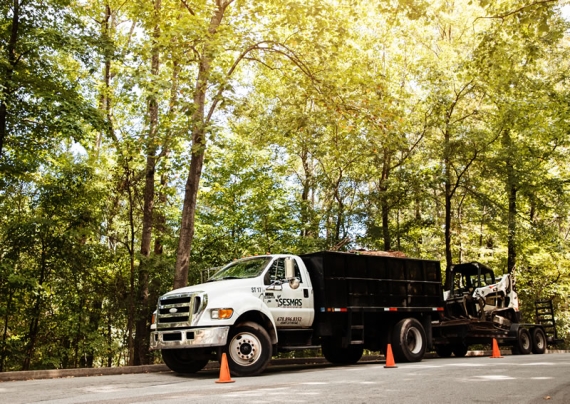
Large removals require cranes or bucket trucks, and they need room to set up safely. Driveways, side yards, and backyard gates affect the way we handle every single job. Properties with narrow side yards or fenced backyards restrict equipment access, so more hand work gets done and labor time climbs higher. We measure gate widths, look for overhead wires, and verify that driveways can support loaded trucks with their weight before equipment gets scheduled.
Steep slopes or wet ground alter how we position machinery. Hills and drainage swales around Harrisburg turn soft after rain, which leaves some yards inaccessible until the soil dries back out. Rescheduling beats tearing up lawns or getting equipment stuck. Properties with underground utilities require hand digging around stumps instead of using grinders in certain zones, which adds time but prevents damage to gas or water lines.
Emergency tree removal in Harrisburg sometimes happens in tight conditions where a tree has already fallen across a fence or onto a shed. Access becomes even more restricted, and we may need to section the tree into smaller pieces before lifting it out. Planning matters less in emergencies, but knowing the property layout helps us respond faster and avoid damage during cleanup.
Homeowners who have landscaping projects, pool installations, or patio construction coming up should get tree removal done first. Taking trees out after hardscaping is already finished risks damaging new pavers or retaining walls. Stump grinding can happen separately if construction timelines need it that way, but the tree needs to come down before excavation or grading starts.
Some properties do better with selective removal instead of clearing everything out. An arborist can tell you which trees give wind protection, shade, or erosion control, and which ones are competing for resources or creating structural risks. Taking out three problem trees might boost the health of five others by cutting down root competition and opening up canopy space so light can distribute better.
Utility companies want advance notice when tree service in Harrisburg involves working anywhere near power lines. We work with providers to de-energize lines for a while or schedule removal when usage is low. Trees leaning toward lines or with branches touching them can't come down safely until power gets shut off, so planning ahead stops delays and keeps crews safe.
Professional tree removal in Harrisburg starts with site preparation. We set up barriers to protect landscaping, mark underground utilities, and get equipment positioned. Rigging ropes control which direction falling sections go, and ground crews clear debris as work moves along to keep working zones safe.
Trees come down in sections from top to bottom. Climbers take limbs off first, then cut the trunk into pieces that are manageable. Each section gets lowered using ropes, so there's no ground impact that could damage the roots of nearby trees or compact the soil. Tree cutting near structures requires precision work since there's no room for branches to fall freely. Cleanup includes hauling wood, grinding the stump to six inches below grade, and raking the area to remove chips and debris.
Tree cutting leaves the property ready for whatever comes next. Soil settles over the stump hole within a few weeks, and the area can be seeded or planted. You can use wood chips for mulch if requested, or we can haul everything away. The end goal is to leave no trace except the absence of the tree.
Sesmas Tree Service provides tree removal, tree trimming, and tree pruning across Harrisburg, North Carolina. Contact us to schedule an assessment and get a detailed plan for safe, complete removal. We work with your timeline and coordinate around existing landscaping to protect your investment.
info@sesmastreeservice.com
Tree work is dangerous without proper training and equipment. A professional tree company has the knowledge, tools, and insurance to get the work done right - and safely. You’ll save time, reduce risks, and be certain the work is done right.
Stay updated with the latest tips, trends, and insights from Sesmas. Explore expert advice on tree care, safety, and maintenance to keep your landscape healthy and beautiful year-round.
View All
As a homeowner, dealing with pest infestations can be stressful and expensive. This is particularly true if you are looking to…
Read More
When it comes to enhancing property value, many people often focus on flooring, bathrooms, kitchens, and interior floors. However, many do…
Read More
Trees are essential to our landscapes and the environment. These magnificent entities provide us with clean air, shade, a habitat for…
Read More
As a homeowner, dealing with a fallen or cut branches in your backyard can be frustrating and stressful, particularly if you…
Read More