
Tree work is dangerous without proper training and equipment. A professional tree company has the knowledge, tools, and insurance to get the work done right - and safely. You’ll save time, reduce risks, and be certain the work is done right.
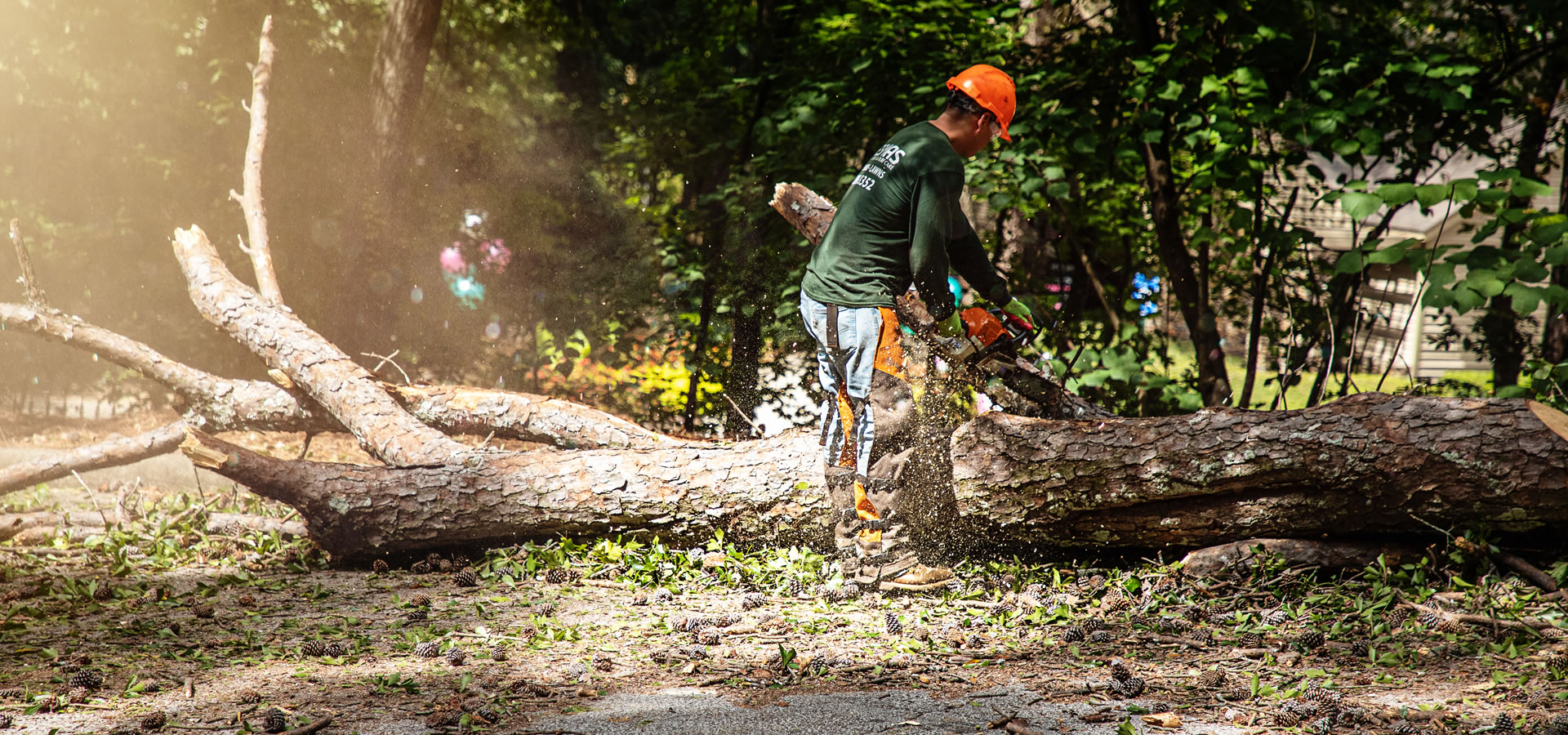
Fort Mill tree work happens year-round, but timing affects how smoothly the job goes and what results you can expect. At Sesmas Tree Service, we provide tree removal service in Fort Mill for homeowners who want to understand how seasons, weather, and scheduling affect their projects. Read more to find out when to plan removal work, why certain months offer advantages, and how to coordinate tree jobs with other property goals.
Winter offers the clearest advantages for major pre-planned or emergency tree removal in Fort Mill. Deciduous trees drop their leaves, which reduces canopy weight and makes the structure easier to assess. Climbers see branch attachments more clearly without foliage blocking their view. The lighter weight means less rigging strain and faster cuts. Frozen or firm ground supports heavy equipment better than soft spring soil. Trucks and cranes leave fewer ruts when the earth is cold and compacted.
Dormant trees also bleed less sap. Cuts seal faster in cold weather, which matters if you're only removing part of a tree or need to leave certain specimens standing nearby. Insects and disease spread more slowly in winter. Beetles don't fly when temperatures drop below 50 degrees. Removing diseased trees in winter contains the problem before the growing season accelerates the spread.
Spring brings unpredictable weather. Rain softens the ground and creates mud that bogs down equipment. A tree company in Fort Mill might need to reschedule if storms keep rolling through. Wet conditions also make cleanup harder. Chips and sawdust turn into sludge that sticks to everything.
Summer heat affects crew safety and work pace. Temperatures above 90 degrees slow down physical labor. Tree trimming in summer works fine for small jobs, but large removals get scheduled for cooler months when possible. Summer storms also create emergency calls that compete with scheduled work.
When it comes to caring for your trees, you need a team you can rely on. Sesmas Tree Service is committed to safe work practices, honest pricing, and dependable service from start to finish. Here’s what sets us apart.

Storm damage or unexpected tree issues? We offer fast, reliable emergency tree services when you need them most.

As a local business, we care about our community and treat every property with the respect it deserves.

From trimming and pruning to removal and cleanup, we handle all aspects of tree care with expertise.

No hidden fees or surprises—just fair, transparent pricing for quality tree care services.

Our skilled team has years of hands-on experience handling trees of all sizes safely and efficiently.

Every job is performed with strict safety measures to protect your property, our team, and the surrounding area.
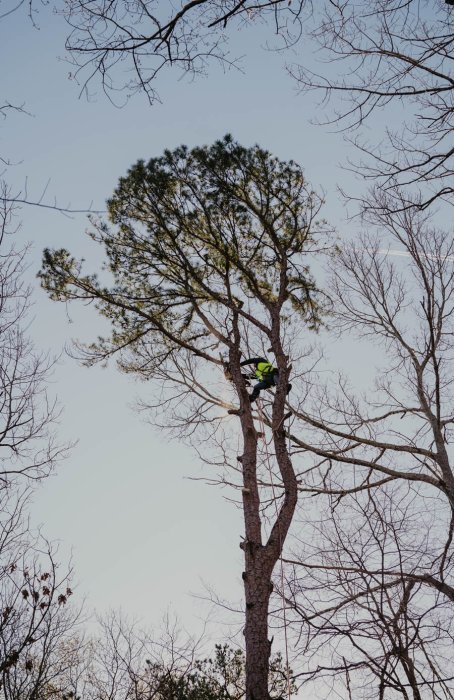
Visibility improves dramatically once leaves fall. An arborist can spot dead branches, cracks, and weak attachments that foliage hides during the growing season. Determining tree health becomes more accurate. Decisions about which trees need removal and which can stay get made with better information.
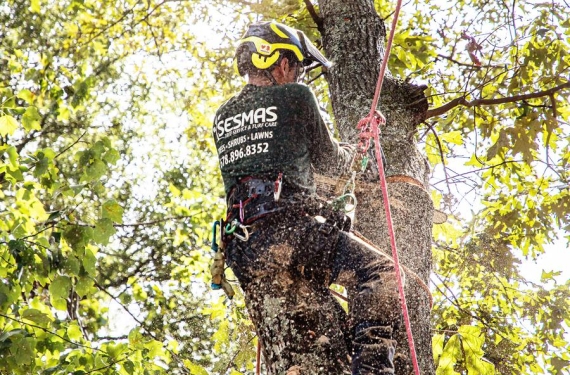
Crew efficiency increases in winter. Climbers move faster through bare branches. Rigging lines run cleaner without leaves tangling them. Groundwork speeds up because there's less debris to process. A tree that takes eight hours to remove in summer might only take six in winter.
Landscape damage decreases when plants are dormant as well. If equipment needs to cross a flower bed or a vegetable garden, winter protects those areas. Grass rebounds faster when it's not actively growing.
Emergency tree removal in Fort Mill doesn't follow seasonal preferences. Ice storms and high winds create hazards that demand immediate response regardless of the weather. We respond to emergencies year-round, but scheduled removals benefit from more strategic timing.
Some Fort Mill properties require permits before tree removal. Municipalities protect certain species or trees above specific diameters. Heritage trees need approval regardless of condition. A tree company in Fort Mill should know local ordinances and help you handle permit requirements. Permit applications take anywhere from a few days to several weeks, depending on the jurisdiction and tree type.
HOAs sometimes require written requests, neighbor notifications, and board approval before removing visible trees. Review your HOA covenants before scheduling work. Removing a tree without approval can result in fines or mandatory replanting. Submit requests early because board meetings happen monthly at most properties.
Protected species come with extra restrictions. Some oak varieties, historic trees, or specimens above certain sizes trigger review. Arborist reports, site plans, and replacement planting proposals may be required. These processes extend timelines dramatically. If your tree falls under protection rules, start the approval process weeks or months before your target removal date.
Tree removal changes your property layout. Plan related projects around removal timing to maximize efficiency and minimize repeated disruption. If you're installing a patio, building a shed, or redesigning landscaping, remove trees first. Equipment access becomes easier when you're not protecting new hardscaping or plantings.
Stump grinding creates opportunities for replanting. Grind stumps below grade so new trees, gardens, or lawn can go in immediately after. Waiting to grind stumps delays other projects. Schedule grinding at the same time as removal unless you plan to use the stump as a landscape feature.
Removing trees before building additions, installing pools, or expanding driveways prevents damage to new structures. Trees near construction zones can suffer root damage from equipment and grade changes. Remove declining trees before construction starts rather than dealing with removal around new improvements later.
Seasonal planting schedules affect timing, too. If you plan to replace removed trees with new plantings, coordinate removal with optimal planting windows. Fall and early spring offer the best transplant conditions for most species. Remove old trees in winter, then plant replacements in early spring for best establishment.
Wet conditions make climbing dangerous and equipment harder to operate safely. Crews can't do their jobs when ropes and bark are slippery. Lightning threats shut everything down immediately. If steady rain is in the forecast, expect rescheduling. Light drizzle might not stop a small tree pruning job, but heavy removal work can get pushed back.
Wind above 20 mph is a hazard on its own. Swaying trees make rigging unpredictable and put climbers at greater risk. Wind pushes cut sections in directions nobody planned for, threatening both crew safety and nearby property. We watch weather forecasts closely and may reschedule tree cutting work when high winds are expected.
Ice and snow delay jobs for different reasons. Frozen branches break unexpectedly. Snow hides hazards on the ground. Equipment struggles in icy conditions. Winter tree work happens during cold but dry weather, not during active winter storms.
Extended wet periods back up schedules. A week of rain means a week of delayed jobs. Those delayed jobs push into the following weeks and create cascading schedule issues. Homeowners with flexible timelines should expect weather-related delays and plan accordingly.
Sesmas Tree Service is here to help property owners time their tree removal in Fort Mill for the best results and minimal disruptions. Whether you need scheduled tree removal service in Fort Mill, tree trimming, tree pruning, or emergency response, contact us to discuss timing that works for your property goals and budget. We offer services year-round and can coordinate scheduling based on your needs.
info@sesmastreeservice.com
Tree work is dangerous without proper training and equipment. A professional tree company has the knowledge, tools, and insurance to get the work done right - and safely. You’ll save time, reduce risks, and be certain the work is done right.
Stay updated with the latest tips, trends, and insights from Sesmas. Explore expert advice on tree care, safety, and maintenance to keep your landscape healthy and beautiful year-round.
View All.webp)
When it comes to tree removal in Georgia, the job is not complete until you get rid of the eyesore…
Read More
Trees are more than just green giants in our yards; they are magnificent entities that provide numerous benefits. From purifying the…
Read More.webp)
Trees play a crucial role in residential and commercial landscapes. However, these magnificent entities can either be an asset or a…
Read More
A lush, beautiful landscape doesn’t just happen by accident. It requires consistent care, professional oversight, and proactive planning to ensure greenery…
Read More