
Tree work is dangerous without proper training and equipment. A professional tree company has the knowledge, tools, and insurance to get the work done right - and safely. You’ll save time, reduce risks, and be certain the work is done right.
Belmont properties range from compact neighborhoods to larger lots near wooded areas, which means every job looks different from one home to the next. At Sesmas Tree Service, we provide tree removal in Belmont, North Carolina, and nearby communities. Below, we break down what affects the process and what homeowners should know before scheduling work with a local crew.
You can't approach tree cutting the same way on a small lot versus a property with plenty of room to work. If you have less than a quarter acre, crews usually have to dismantle the trunk in sections, starting at the top, rather than dropping it whole. It takes more time, but it keeps nearby houses and landscaping intact. On a bigger property with space to spare, directional felling becomes an option, and everything moves faster.
Terrain throws everything off when you're planning the work. Trees sitting on flat ground are easy to reach and manage while they're coming down. Add a slope, and suddenly you're dealing with crew members losing their footing and trunks that don't fall where you expect. Heavy equipment like bucket trucks or chippers needs way more attention on a hill because you can't just park them anywhere without thinking about stability.
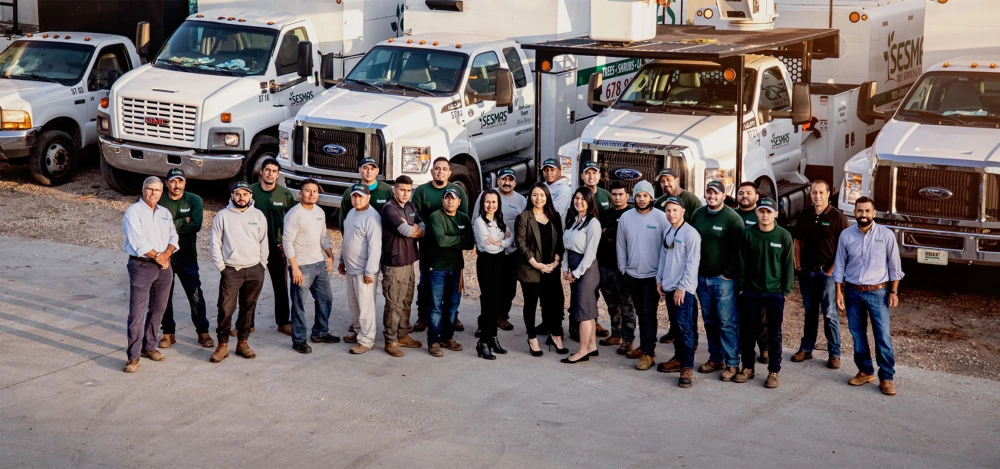
When it comes to caring for your trees, you need a team you can rely on. Sesmas Tree Service is committed to safe work practices, honest pricing, and dependable service from start to finish. Here’s what sets us apart.

Storm damage or unexpected tree issues? We offer fast, reliable emergency tree services when you need them most.

As a local business, we care about our community and treat every property with the respect it deserves.

From trimming and pruning to removal and cleanup, we handle all aspects of tree care with expertise.

No hidden fees or surprises—just fair, transparent pricing for quality tree care services.

Our skilled team has years of hands-on experience handling trees of all sizes safely and efficiently.

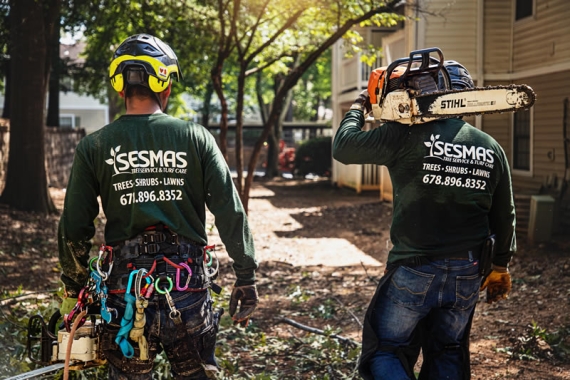
Every job is performed with strict safety measures to protect your property, our team, and the surrounding area.
Soil type matters too once the trunk is down. If you've got rocky soil or thick clay underneath, stump grinding turns into a bigger job than usual. Ground that's soaked from rain over the past few days limits where equipment can travel since we want to avoid leaving any marks or damage on your lawn.
Slopes add risk to any tree-cutting project. A trunk leaning downhill already has momentum in one direction, which can make it harder to control. Crews use rigging systems to counteract the natural lean and guide sections away from structures or vulnerable areas below. This requires anchor points and sometimes specialized equipment like winches or pulleys.
Access becomes another factor on uneven terrain. If the slope is too steep for trucks or chippers to park safely nearby, crews may need to hand-carry wood or use alternative staging areas. That adds time but protects your property and the team doing the work. An experienced arborist will notice these conditions during the initial consultation and plan accordingly.
A tree that's overhanging your roof or brushing against siding can't be dropped in a single cut. Instead, an arborist will plan the job in phases, starting with limbs that pose the highest risk to your home. Each section gets rigged and lowered with ropes to avoid contact with shingles, gutters, or windows.
Garages and sheds come with similar problems, especially if the trunk sits within a few feet of the building. Crews may need to climb and dismantle it piece by piece by securing each cut to prevent swinging or shifting that could strike the structure. The same applies to fences, where even a small miscalculation can snap rails or uproot posts.
Root systems also matter when growth sits near a foundation. A tree company in Belmont can grind the stump below grade to prevent regrowth after the trunk is gone. Large roots extending under driveways or walkways may need separate evaluation to determine if they'll cause future settling or cracking.
Older neighborhoods in Belmont come with mature landscaping, narrow driveways, and limited street parking. Getting equipment to the worksite becomes part of the planning process. A crane or bucket truck needs enough room to extend its boom without hitting power lines, neighboring homes, or overhanging branches from other trees. Tight access points mean smaller equipment or manual methods.
Driveways bordered by garden beds or retaining walls limit where trucks can park. Crews check the path from the street to the target and look for obstacles like gates, decorative stonework, or low-hanging utility lines. If equipment can't reach the backyard, the team might use a smaller chipper and haul debris through side yards in wheelbarrows or tarps.
Street parking restrictions also affect scheduling. Some neighborhoods require permits for temporary parking or lane closures during a tree service in Belmont. Planning around the rules keeps the project compliant and prevents delays. Emergency situations may need coordination with local authorities for faster permitting when storm damage creates serious hazards that need attention right away.
Taller trees are riskier because they have farther to fall and more potential to cause damage. A 60-foot oak weighs several tons, and even controlled sections can swing unpredictably if the rigging slips or the wind picks up. Crews calculate weight distribution before making cuts to avoid sudden shifts that could endanger workers. When storms bring down large limbs, an emergency tree removal in Belmont clears hazards before they cause more damage.
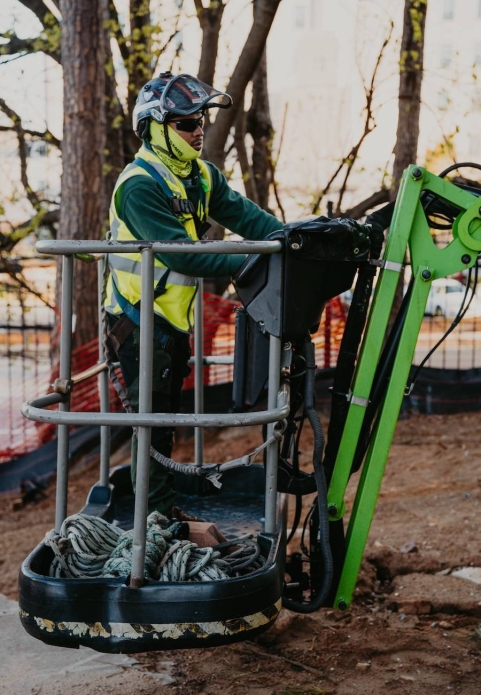
Height also determines the method. Trees over 40 feet usually require climbing or bucket truck access to reach the canopy. The crew takes the upper branches first to reduce weight and improve balance as they work downward. Each cut changes the center of gravity, so the sequence matters as much as the technique. Reliable tree service in Belmont accounts for these variables before any saw touches bark.
Weight affects cleanup, too. Hardwoods like oak or maple produce dense, heavy logs that require mechanical splitters or larger chippers. Softwoods break down faster but still need careful handling to avoid crushing plants or damaging turf when sections hit the ground.
Crews should contain debris as they work and use tarps to catch smaller branches. Larger sections can be stacked in designated areas. This prevents wood and leaves from scattering across your yard or into neighboring properties. Once everything is down, the team hauls all the material to a chipper or trailer.
Stump grinding completes the job unless you request otherwise. The grinder reduces the stump to wood chips several inches below ground level, which allows grass or new plantings to take root. Grinding also eliminates tripping hazards and prevents pests from nesting in decaying wood. Crews rake the area and remove chips unless you want them for mulch.
A final walkthrough confirms that the site is clear. That includes checking for stray branches, filling ruts from equipment, and inspecting nearby plants for accidental damage during tree trimming or tree pruning work. Quality tree removal in Belmont should leave your property cleaner than it was before the crew arrived.
If you need emergency tree removal in Belmont or want an inspection for an upcoming project, contact Sesmas Tree Service. We also offer tree trimming and tree pruning for ongoing maintenance, so you can keep your landscape healthy year-round. As a trusted tree company in Belmont, our crew prioritizes safety, careful access planning, and thorough cleanup on every job we take on.
info@sesmastreeservice.com
Tree work is dangerous without proper training and equipment. A professional tree company has the knowledge, tools, and insurance to get the work done right - and safely. You’ll save time, reduce risks, and be certain the work is done right.
Stay updated with the latest tips, trends, and insights from Sesmas. Explore expert advice on tree care, safety, and maintenance to keep your landscape healthy and beautiful year-round.
View All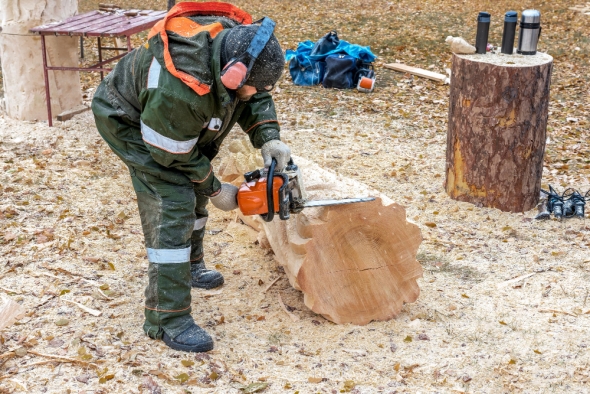
As a homeowner, dealing with pest infestations can be stressful and expensive. This is particularly true if you are looking to…
Read More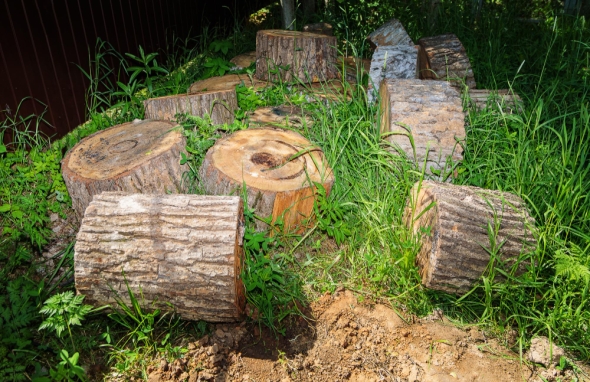
When it comes to enhancing property value, many people often focus on flooring, bathrooms, kitchens, and interior floors. However, many do…
Read More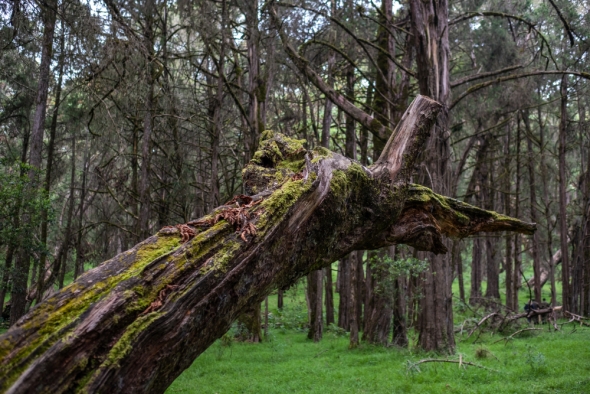
Trees are essential to our landscapes and the environment. These magnificent entities provide us with clean air, shade, a habitat for…
Read More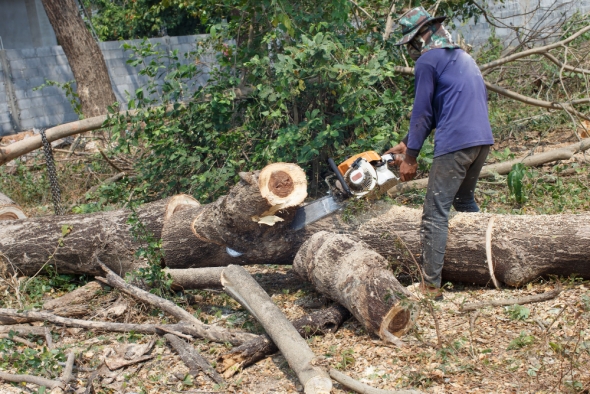
As a homeowner, dealing with a fallen or cut branches in your backyard can be frustrating and stressful, particularly if you…
Read More