
Tree work is dangerous without proper training and equipment. A professional tree company has the knowledge, tools, and insurance to get the work done right - and safely. You’ll save time, reduce risks, and be certain the work is done right.
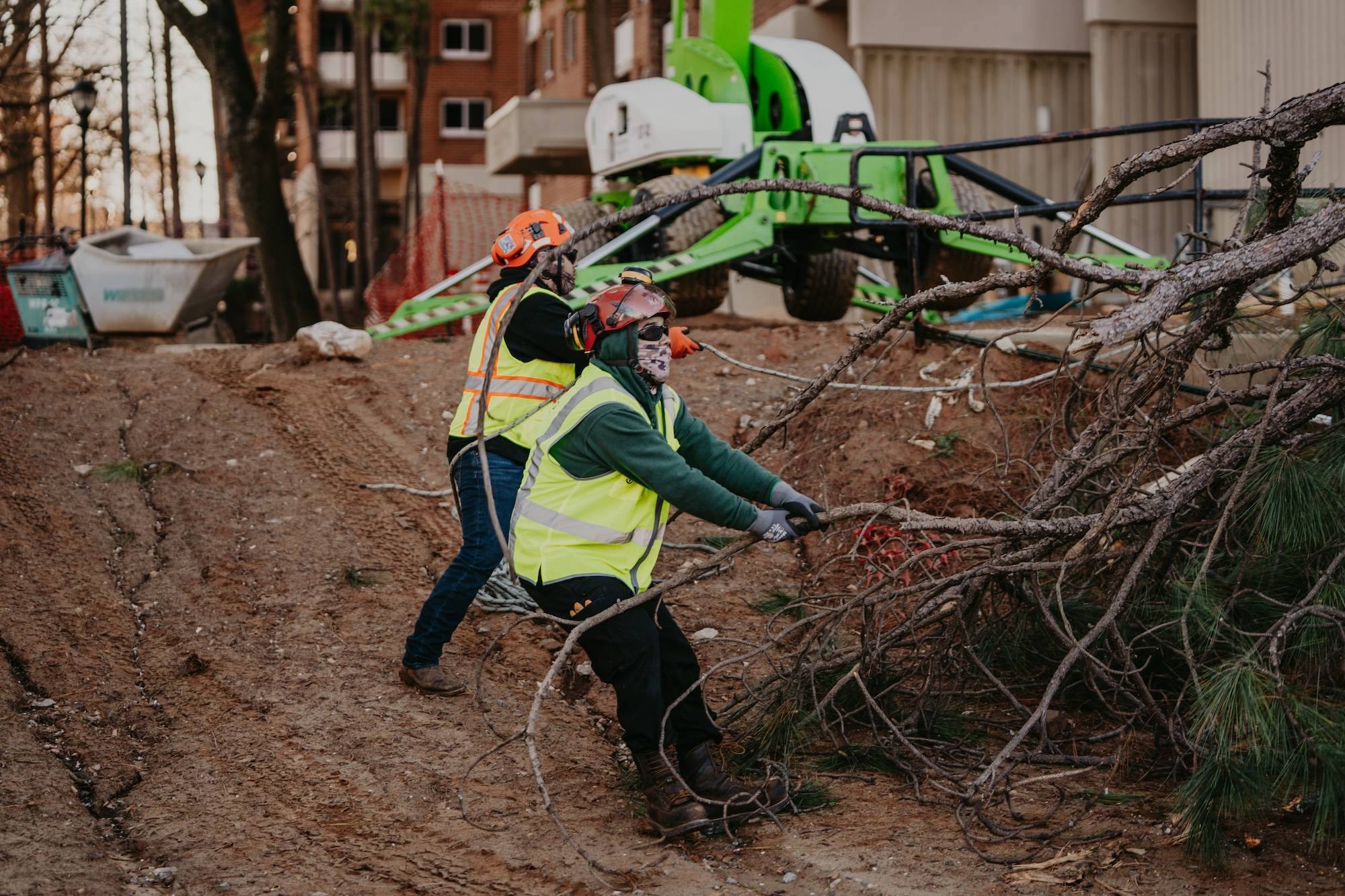
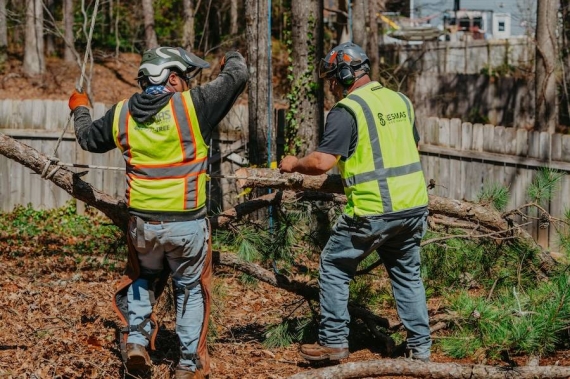
Storms can leave behind broken limbs, split trunks, and fallen trees that block access and threaten nearby structures. In those moments, timing, coordination, and safe removal matter more than anything else. Sesmas Tree Service provides storm damage cleanup for local homeowners. Read more to see how storm cleanup is handled and what to expect once the weather clears.
Wind and rain do different things to trees when they fail. Some trunks split vertically when one side catches more wind than the other. Others uproot completely if the soil saturates and the root system loses its hold. Limbs snap at weak areas where decay has been working unseen for years.
Large branches may crack but stay lodged in the canopy, held in place by surrounding growth. These pose a serious threat to anyone walking below. Topped trees, especially those with poor previous pruning, lose structural integrity and collapse under storm loads. You'll also see bark stripped from trunks where debris impacts the wood at high speed.
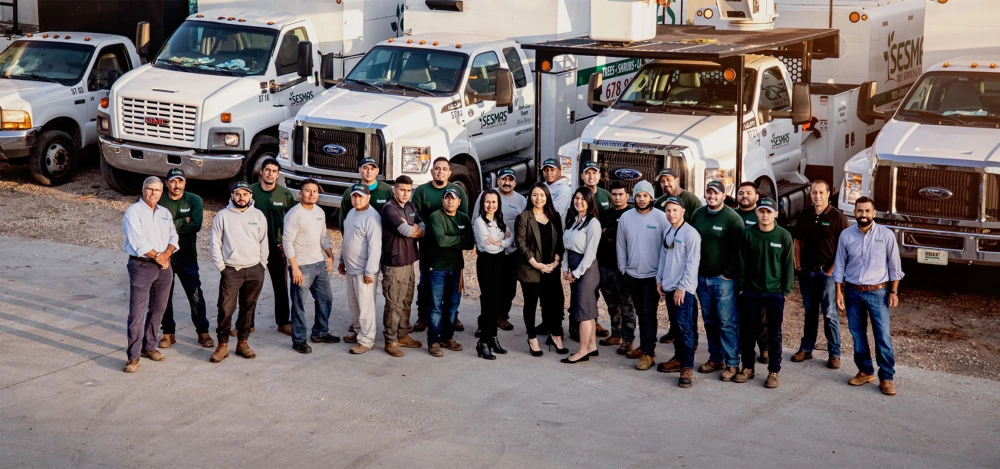
When it comes to caring for your trees, you need a team you can rely on. Sesmas Tree Service is committed to safe work practices, honest pricing, and dependable service from start to finish. Here’s what sets us apart.

Storm damage or unexpected tree issues? We offer fast, reliable emergency tree services when you need them most.

As a local business, we care about our community and treat every property with the respect it deserves.

From trimming and pruning to removal and cleanup, we handle all aspects of tree care with expertise.

No hidden fees or surprises—just fair, transparent pricing for quality tree care services.

Our skilled team has years of hands-on experience handling trees of all sizes safely and efficiently.

Every job is performed with strict safety measures to protect your property, our team, and the surrounding area.
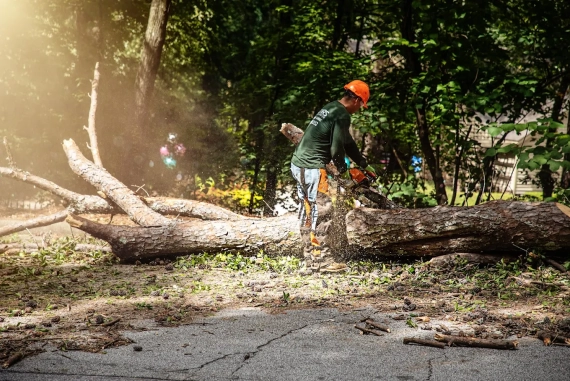
Lightning strikes make things even more complicated. A direct hit can blow bark off in strips that spiral down the trunk, or it can travel through the tree and exit at the roots. The damage isn't always visible from the ground, but the tree's structure has been compromised. These failures don't always happen during the storm. Some trees stand for days before collapsing without warning.
Damaged trees carry stored energy that releases unpredictably. A trunk that's cracked but still standing can snap when you apply pressure from the wrong angle. Limbs under tension may spring back violently when cut. The forces at play aren't obvious just from looking at the tree.
Compromised root systems make the entire tree unstable. A tree that's tilting may continue shifting as you work around it. It can pivot, roll, or suddenly settle if the roots give way further. Climbers can't trust their weight to branches that have internal splits or hidden cracks.
Hidden damage makes every cut a calculated risk. What looks like a simple removal might involve multiple points of failure you can't see from the ground. That's why storm cleanup requires different equipment and techniques than routine removal. You need rigging systems that account for unpredictable movement and cutting sequences that release tension gradually instead of all at once.
A tree blocking your driveway needs sectional removal, not just a chainsaw. You cut the trunk into manageable pieces, starting from the top and working toward the base. Each cut changes how the weight is distributed through the remaining wood, so the sequence matters. If you cut in the wrong order, the tree can fall onto structures or trap your equipment.
The root ball requires heavy machinery if the tree is uprooted. A skid steer or excavator lifts the root mass out of the ground and moves it to a staging area. Trying to chip or cut a root ball in place tears up your property and takes three times as long. You'll need to fill the crater left behind and regrade the soil so water drains properly.
Branches tangled in fences or wrapped around posts get cut free before you move the main trunk. Otherwise, you'll pull the fence down or snap posts as you drag sections away. If the tree fell across a vehicle, you need to stabilize the trunk with cribbing before making relief cuts. The goal is to remove weight without letting the tree roll or shift onto the vehicle.
Power lines don't have to be sparking to be dangerous. A downed line can still carry a charge, and standing water amplifies the risk. If a tree or limb contacts a power line, you need to call the utility company first. They de-energize the line, confirm it's safe, and then you can proceed. Skipping that step can be fatal.
Trees that fell near utility poles may have moved underground lines. Before you bring in heavy equipment, you mark the area and verify what's below grade. A root ball can pull up gas lines, fiber optic cable, or water mains as it tears from the ground. You don't want to rupture a gas line with an excavator bucket.
Storm work in Georgia and North Carolina involves coordination with local utility crews. In cities like Atlanta, Georgia and Charlotte, North Carolina, where infrastructure sits close to mature trees, you see more entanglement after severe weather. Some jobs require bucket trucks positioned on both sides of the line so you can make cuts without pulling conductors. Other situations call for cranes that lift entire sections vertically to avoid lateral movement across the lines.
Cleanup starts with a site assessment that maps every hazard. You identify hanging limbs, leaning trunks, and root failures before you commit to a work plan. The assessment also flags obstacles like buried utilities, nearby structures, and access limitations that affect equipment choices.
Debris removal follows a systematic approach. You pile brush separately from trunk wood so chippers can process material efficiently. Large logs get stacked for hauling or milling if the wood has value. Some companies offer firewood cutting as part of cleanup, but that depends on the species and whether the wood is worth salvaging.
The final walkthrough checks for hazards you may have missed initially. Smaller broken limbs lodged higher in the canopy sometimes fall days after the main cleanup is finished. Stumps may need grinding if they block foot traffic or create tripping hazards. You rake debris from planting beds and clear gutters if branches dump leaves and twigs across the roof.
Storm damage doesn't wait, and neither should your response. Sesmas Tree Service provides the full scope of post-storm cleanup with the right equipment and trained crews who know how to work around hazards. We look at the damage, remove the debris, and leave your property accessible and safe. Contact us today to schedule an appointment and get your property back in order.
info@sesmastreeservice.com
Tree work is dangerous without proper training and equipment. A professional tree company has the knowledge, tools, and insurance to get the work done right - and safely. You’ll save time, reduce risks, and be certain the work is done right.
Stay updated with the latest tips, trends, and insights from Sesmas. Explore expert advice on tree care, safety, and maintenance to keep your landscape healthy and beautiful year-round.
View All
As a homeowner, dealing with pest infestations can be stressful and expensive. This is particularly true if you are looking to…
Read More
When it comes to enhancing property value, many people often focus on flooring, bathrooms, kitchens, and interior floors. However, many do…
Read More
Trees are essential to our landscapes and the environment. These magnificent entities provide us with clean air, shade, a habitat for…
Read More
As a homeowner, dealing with a fallen or cut branches in your backyard can be frustrating and stressful, particularly if you…
Read More